Walking the Quiet Threads Between Historic Hamlets
Origins Beneath Old Lanes


Designing Quiet Connectivity
Surfaces that Respect the Soil
Choosing surfaces often begins with a handful of local earth. Compacted gravel, lime‑stabilized fines, or resin‑bound aggregates can carry prams and wheelchairs while shedding rain without glare or urban fuss. Where heritage dictates grass, discreet reinforcement prevents rutting and keeps fields green. Materials should age gracefully, accept moss and dust, and whisper underfoot. When footing feels trustworthy and honest, walkers focus less on watching each step and more on greeting neighbors and noticing skylarks.
Wayfinding that Whispers, Not Shouts
Signage works best like a courteous companion—present when needed, quiet otherwise. Timber posts with simple icons, tactile plaques at hand height, and periodic reassurance markers serve locals and guests without visual clutter. Landmarks carry equal weight: a leaning ash, a dry‑stone corner, a spring that sings in winter. Digital layers can complement, not replace, these cues. A path remembered by stories, shapes, and scents outlasts fashion, guiding confidently even when batteries fade or screens distract.
Inclusive Gradients, Shared Delight
Gentle climbs, well‑placed benches, and passing bays turn solitude into sociability. Designing for mobility scooters, buggies, and careful cyclists ensures grandparents, toddlers, and friends with different strengths share the same slow joy. Rest spots align with views or windbreaks, celebrating arrival without rushing departure. Where history forces narrowings or steps, alternative spurs and thoughtful ramps protect dignity. Inclusivity is not a retrofit checkbox; it is the central promise of human‑scaled connection between cherished places.

Living Heritage Along the Path
A Baker’s Dawn on the Ridge
Ask an early walker about warmth drifting across the dew, and they might describe crust crackle from a tiny bakehouse window. Routes that pass close—without prying—let aromas advertise tradition better than billboards. A few benches nearby, a chalkboard with seasonal tarts, and clear directions about hours turn a pause into a ritual. The loaf carried onward becomes edible memory, a souvenir both practical and poetic, shared later with butter and a story.
Stone, Lime, and the Hands that Shape
Dry‑stone walls hold more than boundaries; they hold conversations with frost, root, and sheep. Masons reading grain and bedding planes repair gaps with humility, leaving space for lichen and wren nests. Interpretation boards can spotlight techniques without lecturing, inviting visitors to spot through‑stones or pinning pebbles along the way. Workshops hosted beside the path pass skills between generations, so the wall continues speaking in the same accent, decade after decade, storm after storm.
Orchards, Commons, and Everyday Rituals
Between hamlets, commons welcome picnics, dog walkers, and elderflower gatherers who know precisely when blossom tastes brightest. Community orchards thrive where paths touch fences lightly and gates self‑close with gentle certainty. Seasonal wassails, pruning days, and cider tastings become fixtures on village calendars. Car‑free access lowers barriers to participation, weaving celebration into routine errands. Each shared task—lifting ladders, stacking brash, laughing at a wayward apple—binds neighbors as tightly as any legal boundary ever did.
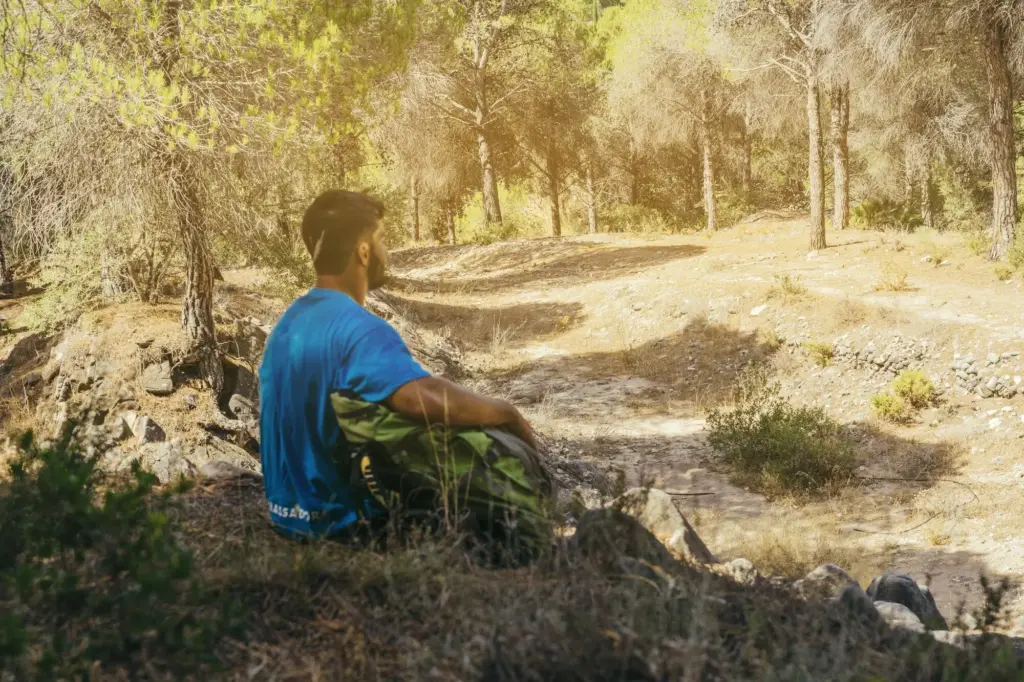
Nature’s Corridor and Climate Calm
Economies that Walk
Hospitality in Low Gear
An inn at a crossroads needs no sprawling car park when guests arrive with dusty boots and bright eyes. Boot hooks, drying nooks, and refill stations earn loyalty as surely as fine ales. Menus celebrate short routes from field to plate, featuring cheeses and greens met along the morning’s stroll. By mapping evening loop walks and sunrise viewpoints, hosts turn stays into layered experiences, encouraging longer visits, quieter nights, and breakfast conversations that become invitations to return.
Fairs, Feasts, and Footfall
Seasonal events thrive when access is simple and convivial. A harvest fair reachable along lantern‑lit paths feels like stepping into a story, with music drifting between stalls and neighbours greeting neighbours first by name, then by stride. Wristband discounts for walkers and riders keep lanes calm while rewarding gentle arrivals. Local groups can co‑host—with choirs, beekeepers, and spinners—so proceeds circulate. The fair becomes less about spectacle, more about belonging sustained by steady, human‑paced footsteps.
Craft Economies that Travel Light
Studios facing the path invite glances that turn into commissions. A potter throwing at the wheel nods hello, and a visitor returns later, unencumbered by parking timers, ready to choose a vessel shaped like the valley’s curve. Mobile payments, pickup lockers, and postal partnerships keep logistics nimble without vans idling at doorways. When goods embody the route’s texture—speckled clays, hedgerow dyes—purchases become keepsakes of a shared journey, reminding owners to keep walking long after departure.
Stewardship, Safety, and Shared Etiquette

Plan Your Journey and Join the Conversation
Choosing a First Loop
Start with a circuit joining two or three hamlets within an hour’s amble, leaving time for bakery visits and hedgerow pauses. Look for routes that track brooks or contour lines, since water and slope organize both stories and stamina. Post your loop, timings, and accessibility notes so others can follow. When first steps are generous, newcomers return with friends, adding to the quiet chorus of feet that sustains paths better than any manifesto ever could.
Packing Light, Not Carelessly
A small kit transforms a pleasant stroll into a confident habit: water, a soft cup for spring taps, a tiny repair strip for a flapping sole, and a bag for wayward litter. Layer clothing, mind weather that changes faster between valleys, and carry a paper map as a respectful backup to apps. Kindness weighs nothing—offer directions, hold gates, and thank volunteers. Each consideration brightens the path for the next traveler you may never meet.