People-Powered Paths Between Villages
Explore community-led planning and stewardship of intervillage car-free networks, where neighbors map desire lines, shape governance, and care for paths that stitch everyday life together. Through practical steps, stories, and tools, see how villages link schools, clinics, markets, and wetlands while honoring culture and ecology. Follow examples from mountain hamlets to delta islands, learn to start small, measure progress, and invite volunteers. Share your experiences, subscribe for guides, and help grow people-powered mobility across distance and seasons.
From Spark to Shared Vision
Great networks begin with listening. Neighbors gather over tea, sketching paths between homes, fields, and water taps, aligning hopes for safety, health, and dignity. By honoring elders’ memories and children’s routines, a shared picture forms, guiding patient steps from idea to footfall without waiting for distant approvals.
Stewardship That Lasts Beyond Grants
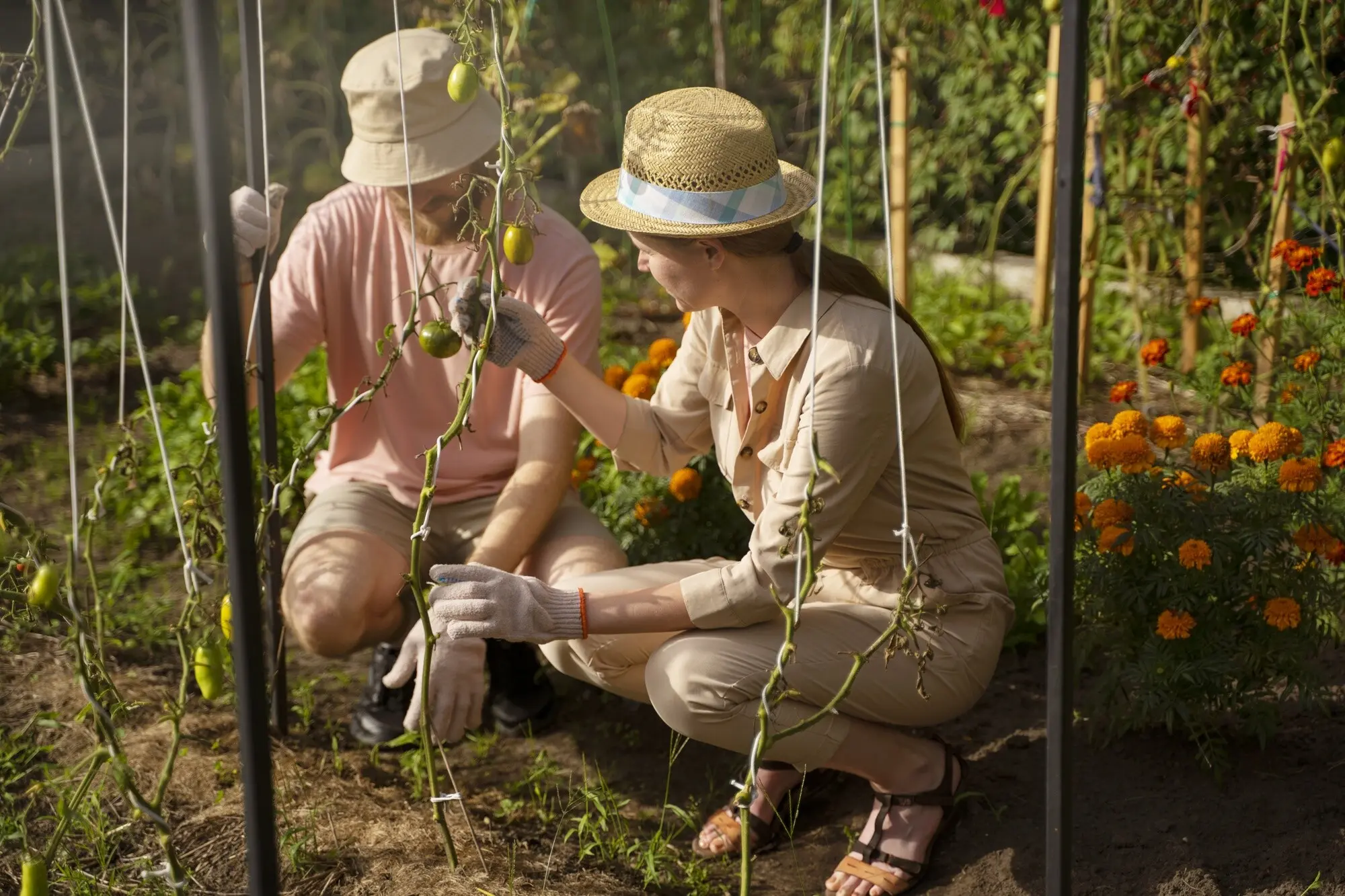
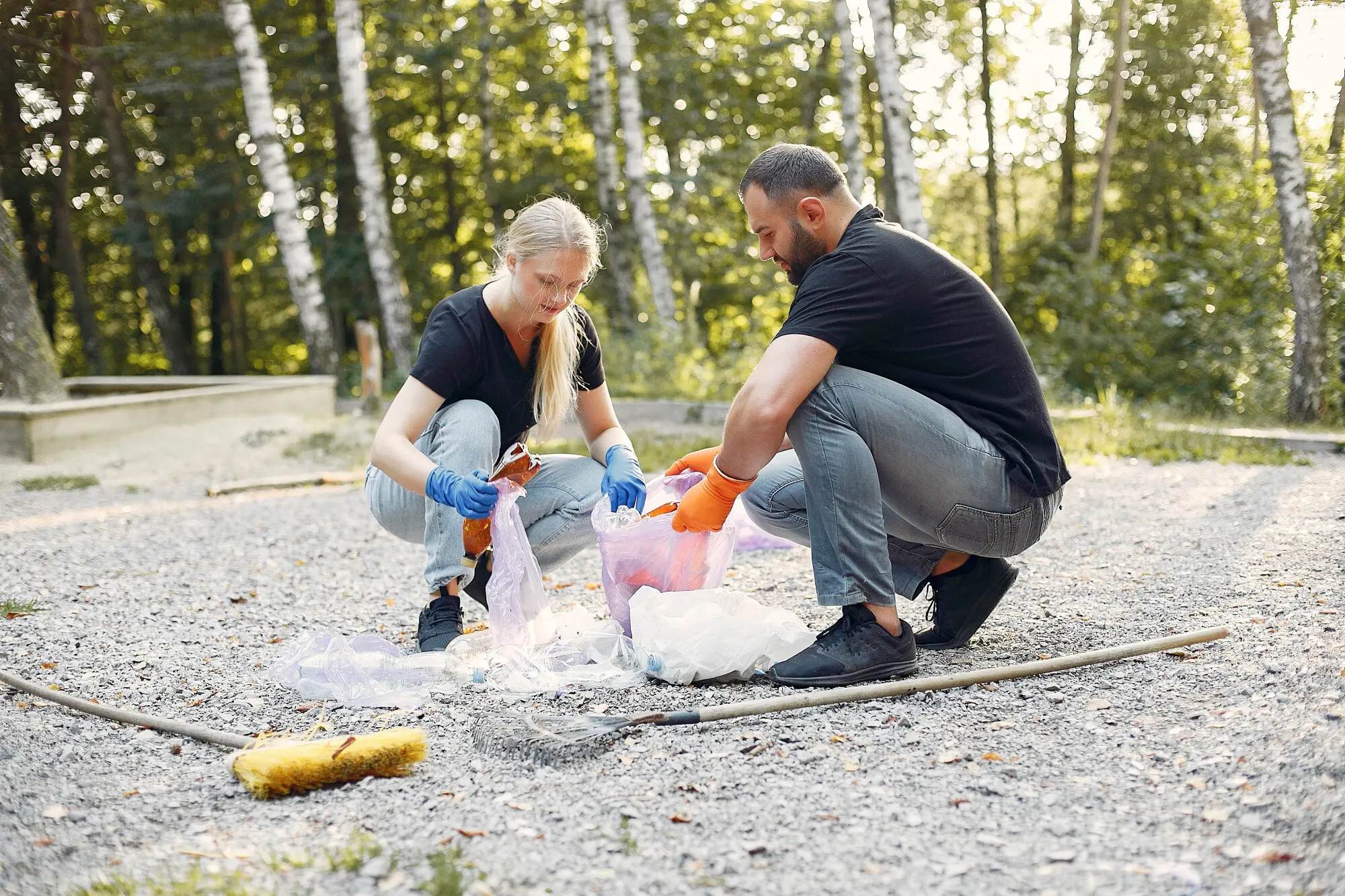
Long after ribbon-cuttings, care determines success. Establish rotating volunteer crews, youth apprenticeships, and transparent logs for clearing drains, trimming hedges, and repainting edges. Pair elders’ knowledge with new tools, recognize contributions publicly, and mediate conflicts kindly, so agreements outlive personalities and the network matures through seasons and leadership changes.
Gentle Gradients and Restful Places
Keep slopes friendly with switchbacks and landings, using gravel or stabilized soil that drains yet grips. Place seats at shade and at tops of rises. Add railings where exposure exists. Small mercies multiply, transforming daunting hills into shared, confidence-building climbs.
Wayfinding That Tells Local Stories
Use bilingual signs, colored edge lines, and distance markers carved by local artisans. QR codes can share oral histories, bird calls, and planting seasons. When directions also teach and delight, strangers feel welcomed, and residents feel seen, deepening pride and care.
Seamless Daily Life Without a Car
When errands, social ties, and work trips fit comfortably on foot, wheel, or saddle, emissions shrink and wallets breathe. Intervillage links shorten detours, replacing dangerous shoulders with calm corridors. The result is time back for families, steadier local trade, and healthier bodies and minds.
Corridors for Birds, Bees, and People
Plant native flowering strips and staggered fruiting trees, creating shade for walkers and nectar for pollinators. Time mowing to avoid ground nests. Bridges gain tiny ledges for amphibians. Biodiversity flourishes alongside mobility, building allies across conservationists, farmers, and children learning seasonal rhythms.
Water, Soil, and the Edges That Matter
Shape swales and rain gardens to welcome storms, protect paths, and recharge wells. Stabilize embankments with vetiver and brush layering. Favor soft shoulders over hard curbs. These choices calm runoff, feed groundwater, and create pleasant microclimates where neighbors pause, greet, and notice change.
Art, Memory, and Festivals on the Move
Invite storytellers, drummers, and muralists to animate waystations. Annual lantern walks or harvest rides can fundraise for repairs and welcome newcomers. When celebration meets stewardship, the path becomes a beloved commons, guarded by joy and retold through family lore.
Community Finance and Transparent Budgets
Publish simple, bilingual budgets online and at notice boards. List donations, in-kind hours, and expenses weekly. Offer cashless payment options and receipt photos. Trust grows when every coin and minute is honored, making future campaigns lighter and proposals stronger with evidence.
Open Maps, Sensors, and Shared Knowledge
Map alignments on OpenStreetMap, collect counts with low-cost infrared sensors, and invite students to analyze peaks and gaps. Document maintenance recipes and procurement lists. When knowledge is portable, neighboring villages avoid mistakes and leapfrog, building truly regional, resilient networks together.