Paths That Prosper: Linking Villages with Greenway Journeys

Step onto a gentle path where neighbors meet, crafts return to porches, and markets hum along leafy corridors. We explore Economic Revitalization through Village-to-Village Greenway Tourism, showing how small, connected routes spark local enterprise, protect landscapes, and welcome travelers without overwhelming place or people. Expect practical examples, warm stories, and tools you can use tomorrow. Share your ideas, challenge our assumptions, and subscribe to follow new experiments unfolding across resilient rural communities.

Why Connected Trails Multiply Local Value

When pathways thread village greens, mills, orchards, and riverbanks, visitors stop more often, linger longer, and spend where owners greet them by name. Linked experiences reduce leakage because services are local: guides, bakers, bike mechanics, and hosts. Overnight options bloom as trust grows between neighbors who coordinate hours, share calendars, and bundle offerings. The result is steady revenue without strip malls, and pride that circulates like the same coins changing hands down the lane.

Spending That Stays Nearby

Every coffee poured after a morning ride supports the mill’s electricity, the flour from the next valley, and the drummer at Friday’s barn dance. By designing procurement and mentoring networks, small enterprises keep margins local, funding scholarships, trail repairs, and a modest community benefit fund overseen in the town hall.

From Day-Tripper to Overnight Guest

Two neighboring villages coordinate sunset concerts and early bakery openings, nudging riders to stay for twilight and dawn. With safe lighting, family rooms above shops, and luggage shuttles by the school van, stays stretch into stories, receipts rise gently, and midweek occupancy finally matches the harvest weekends.

Resilience in Shoulder Seasons

Autumn foliage rides, mushroom walks after rain, and frost-bright birding mornings create softer peaks and kinder valleys. Businesses adjust staffing confidently because the calendar feels rhythmic, not frantic. Farmers pre-sell produce boxes to riders, smoothing cash flow while reducing waste and deepening relationships that outlast any single festival.

Designing the Greenway Between Neighbors
A good route follows stories as much as contours. Gentle grades invite grandparents and school groups; surfaces suit rain as well as summer dust. Where paths cross farms or wetlands, buffers, boardwalks, and gates show respect. Wayfinding tells who made this place, not just where to turn, inviting care and curiosity with every pause.

Routes That Respect Land and Lives

Early walks with farmers, fishers, and foragers reveal calving weeks, irrigation times, and quiet coves for nesting. Alignments then avoid stress points, add stile alternatives, and set courteous hours. Simple agreements, fair compensation, and seasonal detours replace conflict with collaboration, turning former shortcuts into shared corridors of generosity and trust.

Wayfinding That Welcomes Everyone

Clear symbols, distance beads on posts, and QR codes unlock short oral histories in multiple languages, including local dialects children still trade on playgrounds. Contrasting textures help low-vision users; benches align with shade. Maps show toilets, water, prayer spaces, and repair stands, proving hospitality is the first and lasting impression.

People Power: Governance, Ownership, Pride
Trails thrive when residents decide, not when outsiders dictate. A joint council with rotating chairs, transparent minutes, and open budgets keeps decisions close to lived reality. Microgrants empower experiments from beekeeping tours to tune-up pop-ups. Pride expands as neighbors steward views, volunteer shifts, and the welcoming culture visitors remember.

Guarding Nature While Growing Opportunity

Greenways can heal as they help. Boardwalks float above fragile roots, bioswales sip stormwater, and quiet zones give owls dark, undisturbed air. Visitor caps, timed entries, and group-size guidance prevent pressure points. Rangers teach leave-no-trace with humor, while local scientists turn trail counters into habitat insights and climate adaptation plans.

Carrying Capacity and Quiet Hours

Rather than chasing maximum counts, managers set thresholds by soil resilience, bird nesting calendars, and village comfort. Quiet hours protect nights; service windows distribute use. Real-time dashboards publish occupancy, letting families choose the best moment, while vendors stagger promotions to reduce crushes and keep smiles genuine.

Green Infrastructure Maintenance

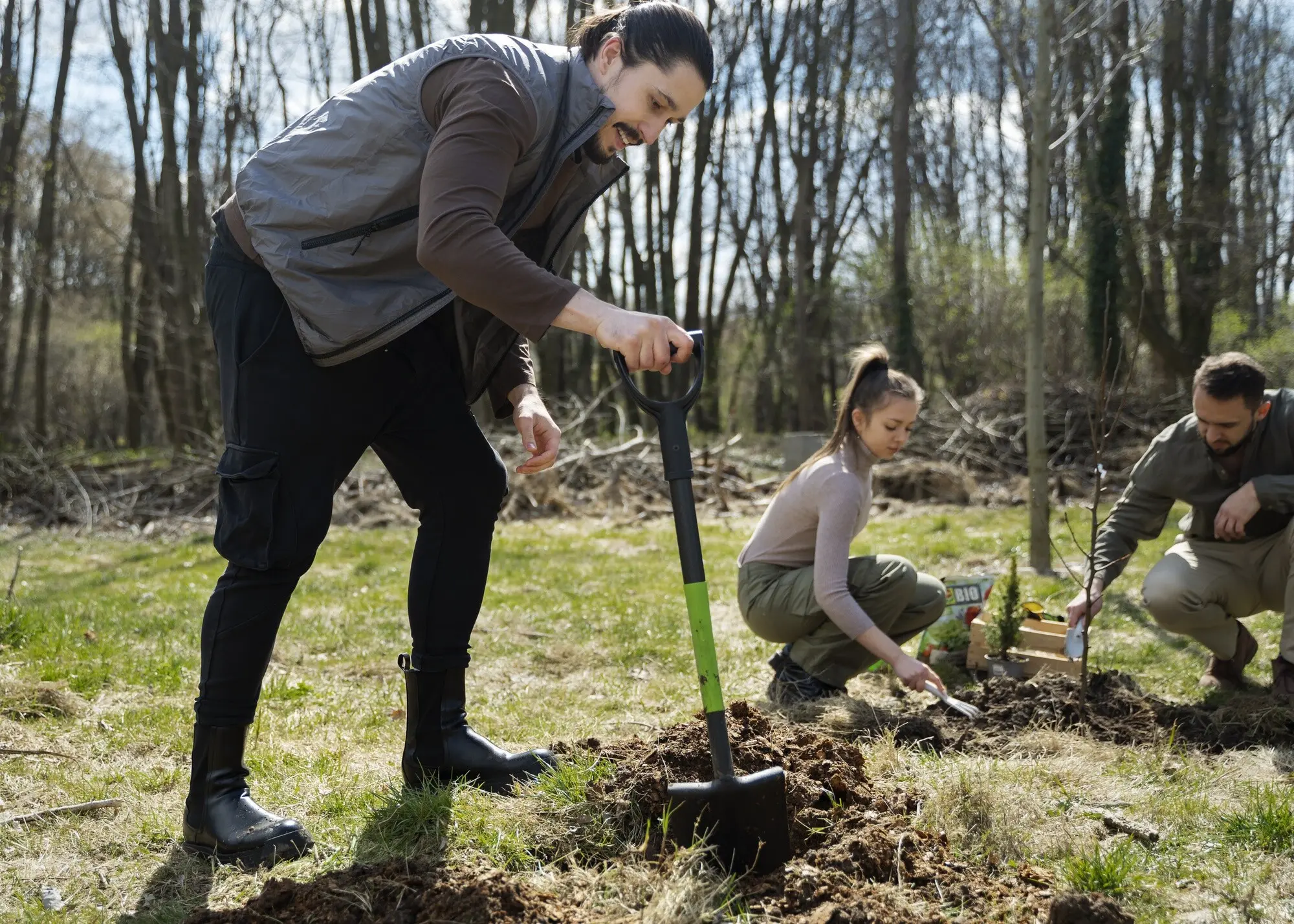
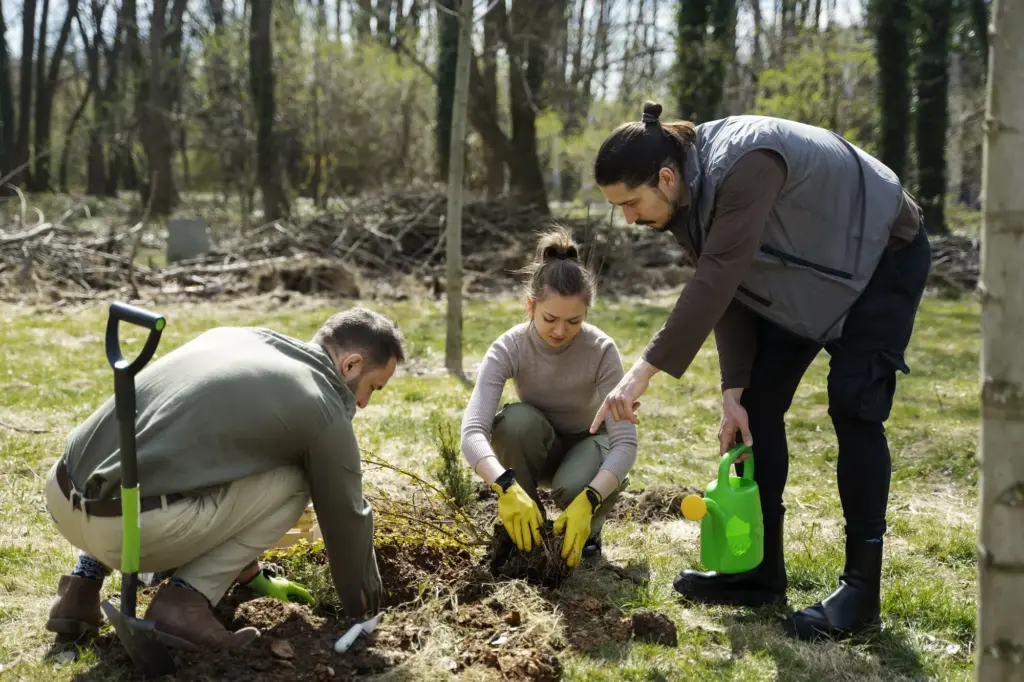
Volunteer crews adopt segments, clearing drains, checking bridge timbers, and pruning sightlines with certified training and bright vests. A tiny maintenance levy from bookings feeds a reserve for storms. Posting before-and-after photos builds appreciation, reminding visitors that beauty here is crafted, not accidental, and worthy of shared responsibility.

Mobility That Plays Nicely

E-bikes expand access without demanding new parking fields when chargers are tucked into cafés and time-limited. Shuttle loops run on market days, replacing car caravans. Speed-calming design—narrowings, chicanes, and playful signage—keeps courtesy high, so walkers, scooters, wheelchairs, and prams share space with smiles rather than apologies.

Storytelling, Itineraries, and Invitations

Great journeys feel authored. A string of small narratives—how bread rose in a stone oven, why a bridge curves, who painted the beehives—guides choices more gracefully than discounts alone. Curated itineraries suggest two-hour rambles or two-day loops. Influencers visit as learners, not billboards, and leave as respectful ambassadors.

A Narrative Map That Feels Personal

Instead of a brochure stuffed with listings, create a map where each stop offers a voice note by the person who tends it. Visitors meet makers before arrival, building rapport and intent. When they finally knock, conversations start warm, purchases feel natural, and memories tether to names.

Digital Tools That Actually Help

A lightweight pass on phones unlocks water refills, restrooms, and off-peak tastings, nudging flows while rewarding good timing. Push alerts surface safety updates and hidden gems, never spam. Analytics stay aggregated and privacy-safe, guiding improvements without turning a pastoral walk into a quantified, extractive treadmill.

Measuring Impact With Care
What gets counted shapes what gets built. Villages co-create a dashboard including jobs by age and gender, business survival after two winters, trail health, bus frequency, and resident satisfaction. Counters mix sensors with community postcards. Data days celebrate learning with pie, not blame, turning metrics into shared motivation.

First Month: Doubts and Mud

Volunteers argued about gravel sizes, a culvert clogged, and one shop feared cyclists would just picnic. A pop-up tasting table by the bridge flipped perceptions in a weekend. Riders bought cheese, postcards, and tools, while a resident mechanic earned loyal customers with a cheerful roadside tune-up.

Six Months: The First Winter

The path did not hibernate. Lantern walks, soup vouchers, and a shared events calendar kept heartbeat and income alive. Maintenance crews perfected drainage. Families tested sled runs on gentle embankments. The lesson was simple and strong: connection matters most when the sky is gray and hopes are thinner.